Multimodal and multilingual
medical datasets for AGI through competitions
Join us as a contributor →
Book a demo →
Domain specific
Medical datasets obtained from case studies done by domain experts as competitions.
Multilingual datasets
Datasets are translated into multiple languages and dialects by linguistic experts.
Multimodal data
Case studies contain full lifecycle of data including text, related audio and video for true AGI.
No data privacy issues
Case studies simulate scenarios without referring to any particular person or case.
For Enterprises
Try our data ->
For Contributors
Start Contributing ->
Key Data Challenges Faced by LLMs
Lack of Domain-Specific Data
General web data isn't sufficient for medical, financial, or scientific reasoning. Without high-quality, domain-specific datasets, LLMs struggle with precision and reliability in those fields.
Part time jobs do not motivate experts
Companies like Scale and Mercor acquire data through part time jobs, this is not motivating to the top experts in the domain. We aim to solve this by having case study competitions which will motivate eperts to do better and get better rankings on our leaderboard. This will attract the best domain talent and intrinsically generate higher quality data.
Language and Cultural Imbalance
LLMs are heavily skewed toward English and Western cultures. Less data exists in low-resource languages, leading to poor multilingual performance.
Uneven performance in audio and video
One of the main bottlenecks is that LLMs show much better performance when it comes to texttual data as compared to speech and audio visual data as the amount of content available in text form far exceeds that for the other modes. This leads to undertrained models in audio visual modes.
Time to procure good data
Without human intervention and directed efforts to get data, the time to get domain specific data is quite high involving identifying good sources, scraping, cleaning the data, verifying facts, removing outdated data and finally parsing data into an usable format.
Data Quality and Freshness
LLMs trained on static snapshots can’t keep up with news, emerging technologies and real-time events. This leads to outdated or incorrect answers.
How will high quality data from expert case studies competitions help?
Competitions motivate best domain experts.
Enhances Domain-Specific Performance
Improves Multimodal Understanding
Data creation in days not months
Improves Generalization and Reasoning
Reduces Hallucinations and bias
Ensures Recency and Relevance
Improved Efficiency per FLOP
Boosts Efficiency for SLMs
📈 Real-World Metrics
In studies of large language models, increasing domain‑specific dataset size (e.g. fine‑tuning on over 100,000 segments) led to:
- +13–14 BLEU score increase
- +25 COMET score increase
For example, LLaMA‑3 8B fine‑tuned on translation tasks showed these gains with large-scale domain-specific datasets.
Similarly, Gemini Ultra achieved 90.0% on MMLU, surpassing human expert baselines, a leap made possible by high-quality, large-scale training data.
IBM research indicates that improving annotation quality by just 5% can increase model accuracy by 15-20% for complex computer vision tasks.
The global domain specific SLM market is expected to expand from USD 0.93 billion in 2025 to USD 5.45 billion by 2032, reflecting a robust compound annual growth rate (CAGR) of 28.7%
Existing audio‑visual datasets often comprise only 30–100 hours of aligned video and audio, far below the scale required for robust model fine‑tuning
One study reports that in one analysed pre-training corpus, about 92.65% of the training tokens were English, with only ~7.35% for all other languages combined
How can we help? - premium domain specific multilingual multimodal medical data

Uncompromised data quality
Improving data quality, focusing on small amount of domain specific data and including reasoning increases LLM performances by 15-20%. By having the world's best medical experts submit case studies through competitions, we create better data and accelerate post training for LLM's making AGI possible. Competitions motivate the best talent which part time jobs may not .
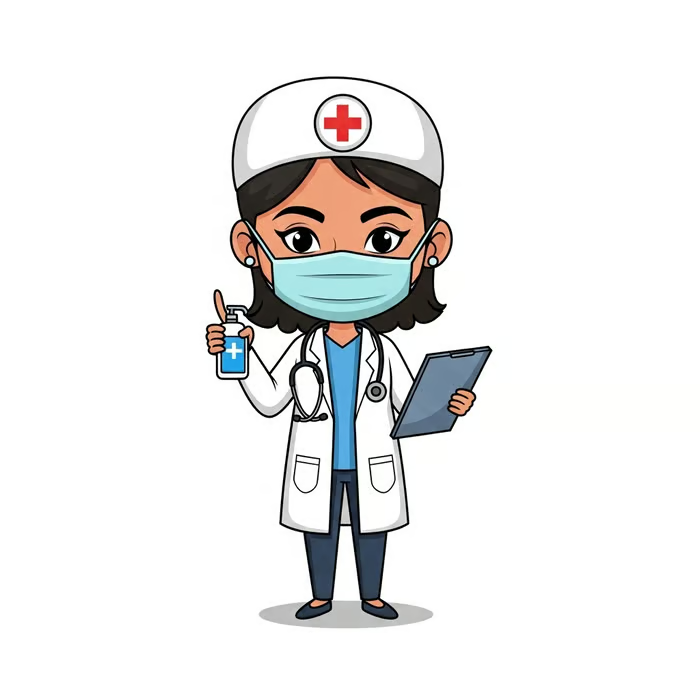
Domain specific data by experts
Research has shown that LLM factual accuracy increases 25-40% by finetuning on medical data like PubMed, clinical notes, or medical guidelines. Post training or finetuning on domain specific data gives much more incremental performance than training on generalised data with inefficient compute requirements. We provide pinpointed data to specifically train on critical domains like medical.
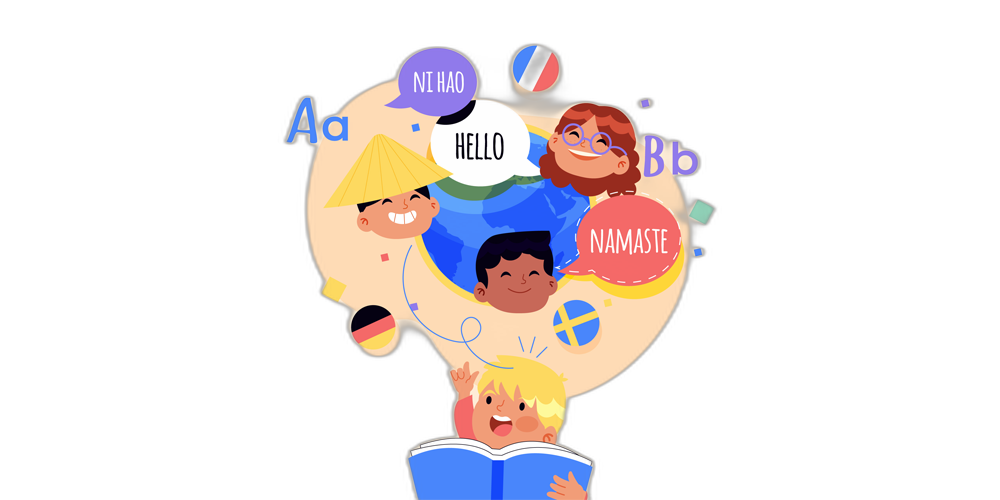
Multilingual data - Scale AI for non-en languages
Top most spoken languages like Hindi and Mandarin have dismally low levels of representation on platforms like CommonCrawl (0.2% for Hindi and 5.8% for Mandarin, compared to 44% for English) and the web (~47.4% English data vs ~0.03% Hindi data). We translate our data to multiple languages using linguistic experts to ensure diverse languages without degradation in quality.
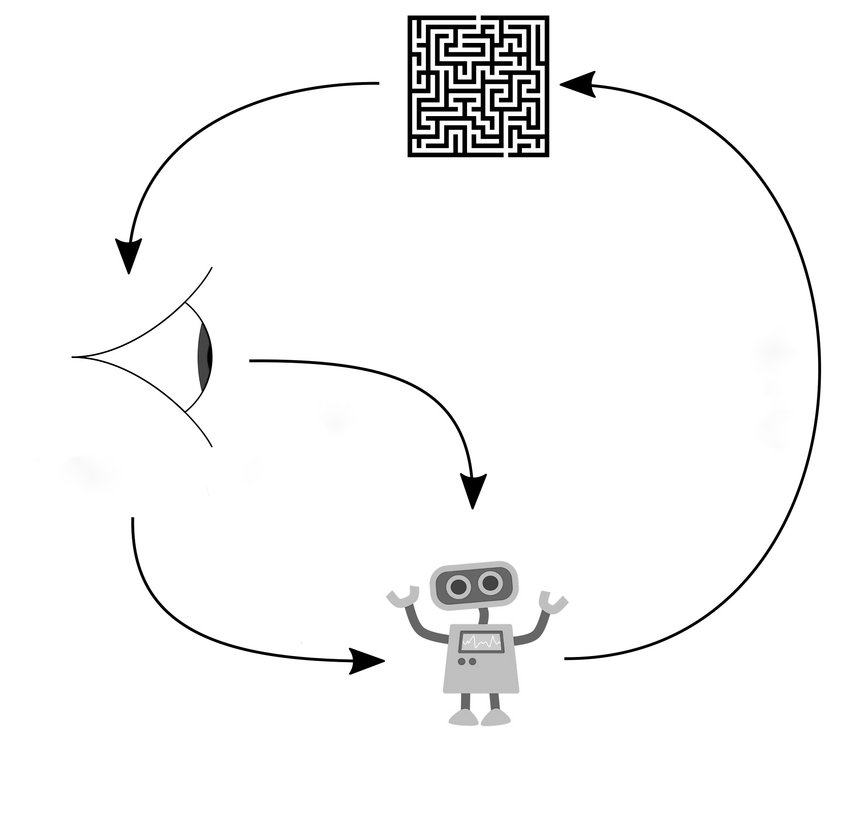
Multimodal data
AGI will come from models trained to understand and link text with audio visual data analogous to the human mind. Text has ~5.4T training tokens, while audio (20B tokens, .37% of text volume) and video (1B tokens, 0.02 % of text volume) are orders of magnitude lesser. Our case studies incorporate the full cycle of text with relevant audio and video data fostering truly intelligent training bridging the gap between current day LLMs and AGI.

Intermediate annotations and benchmarking
LLM's now can link a question to an answer they have seen but are not able to reason like a human. True AGI wil come from repeatedly teaching an LLM to reason based on new info through RLHF. After an LLM is post trained on domain data, it will be reevaluated to test it's incremental reasoning abilities. Intermediate annotated data will be used to repeat this process till the LLM has developed substantial reasoning ability.

No compromise on privacy or confidentiality
In our case studies doctors/lawyers note cases without any patient/client info. They use simulations, relevant dummy data and public images removing any confidentiality breach issues. This simulation and dummy data generation helps us create datasets by overcoming the predominant challenge with medical data - confidentiality, while providing full multimodal context a human works with which is crucial for AGI.
Keep up with Datawin AI
Stay updated with the latest trends, datasets, and innovations in domain-specific AI training. Subscribe to our newsletter or follow us on social media to never miss an update.